- Peonies have a limited 6-week domestic peak (May-June), while roses are available year-round.
- One peony bloom provides the visual real estate of 3 standard roses, making them efficient fillers.
- Garden roses are the professional alternative for out-of-season peony aesthetics.
- Peonies are temperamental in heat; roses offer superior structural stability for outdoor events.
- A hybrid strategy (Peonies for the bouquet, Roses for the room) is the 2026 standard for budget efficiency.
For most couples, the choice between roses and peonies is framed as a matter of personal taste. However, from a professional studio perspective, these two blooms are distinct tools with specific mechanical, economic, and visual roles. Understanding the logistics behind each allows for a more intentional and impactful wedding design.
Availability and Seasonality.
The primary differentiator is accessibility.
- Roses: Available 365 days a year. Because they are grown globally in controlled environments, the quality remains consistent regardless of the season.
- Peonies: The domestic peak is a narrow 6-week window from late April to early June. While imports from the Southern Hemisphere are available in late autumn, they carry a significant “import premium” and often lack the massive head size of spring blooms.
The Cost of Impact.
While peonies are undeniably more expensive per stem, a professional designer evaluates cost through visual real estate.
- Per Stem: A peony can cost 2–3 times as much as a standard rose.
- Per Volume: Because one open peony provides the visual volume of three roses, they can occasionally be more labor-efficient for large-scale installations.
In 2026, we recommend the Hybrid Strategy: utilize peonies for high-touch items like the bridal bouquet and cake flowers, and use premium garden roses for table arrangements to optimize the total investment.
Visual Weight and Composition.
The “message” of the bloom defines the mood of the event.
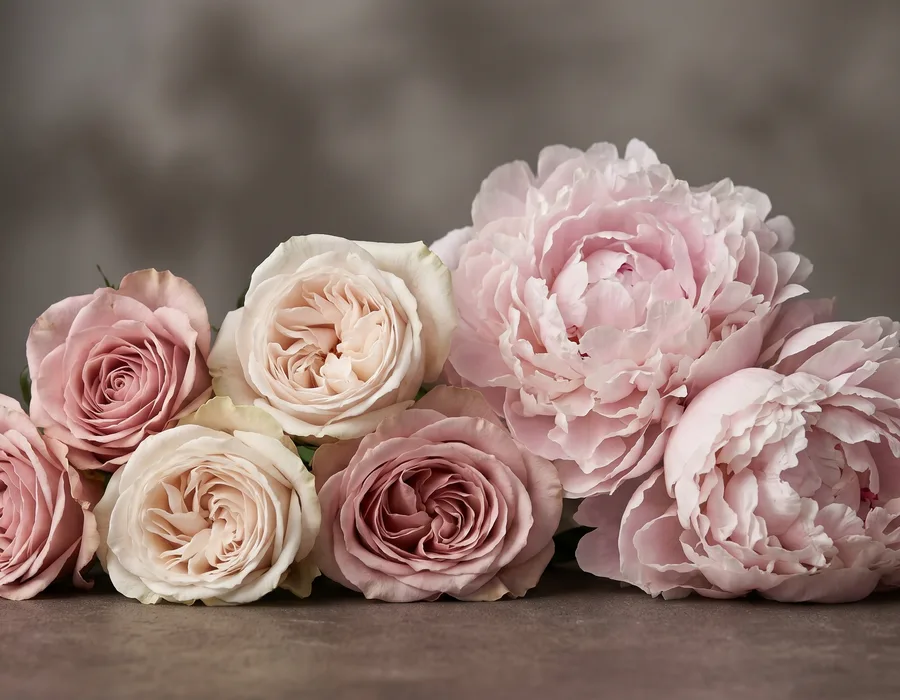
- Peonies (The Hero Flower): Their soft, ruffled edges and massive scale make them the natural center of attention. They represent “Soft Luxury” and effortless romance.
- Roses (The Structural Base): With their spiraled petals and firm stems, roses provide the architectural integrity a composition needs. They represent “Controlled Elegance” and timeless precision.
Stability and Lifespan.
For outdoor Boston weddings, roses are the superior choice for stability. Peonies are highly temperamental; they can transition from a tight bud to a full shatter in a matter of hours if exposed to direct sun or temperatures above 75°F. Roses offer a predictable, stable form that holds its shape throughout the entire ceremony and reception.
Modern 2026 Approach.
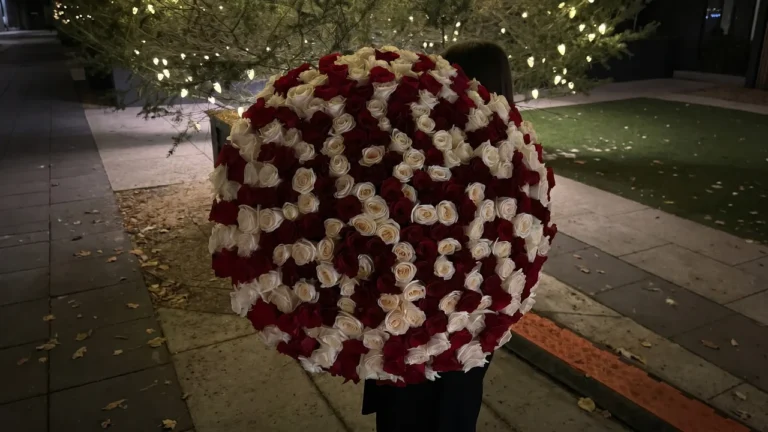
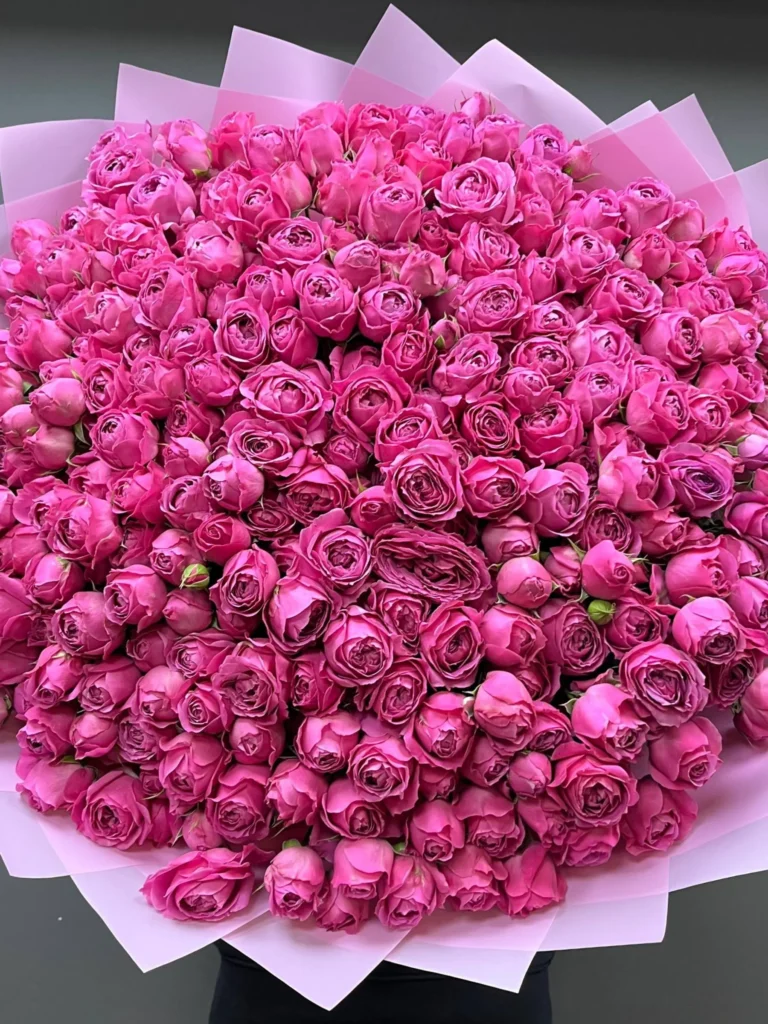
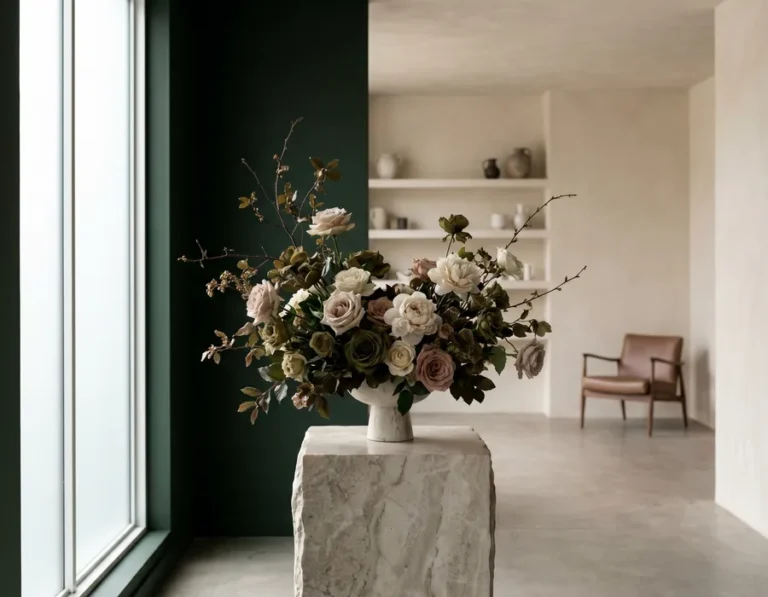
The most sophisticated designs of the current season focus on Textural Contrast. Instead of choosing one over the other, we are mixing ruffly Garden Roses with architectural Peony buds and utilizing negative space to let each form stand out individually. We no longer aim for a “ball of flowers” but rather a curated dialogue between different botanical shapes.
Common Mistakes.
- Peonies in High Summer: Requesting peonies for an August wedding in Boston often results in smaller, lower-quality imported blooms.
- Overcrowding: Cramming peonies too tightly prevents them from opening fully, which wastes their visual potential.
- Cheap Rose Varieties: Using “grocery-grade” roses alongside peonies creates a visual disconnect. We exclusively use premium varieties like Quicksand or Toffee that match the peony’s luxury aesthetic.
At Boston Flowers, we select our blooms based on composition logic and environmental conditions, ensuring that your wedding florals don’t just follow a trend, but serve the design.