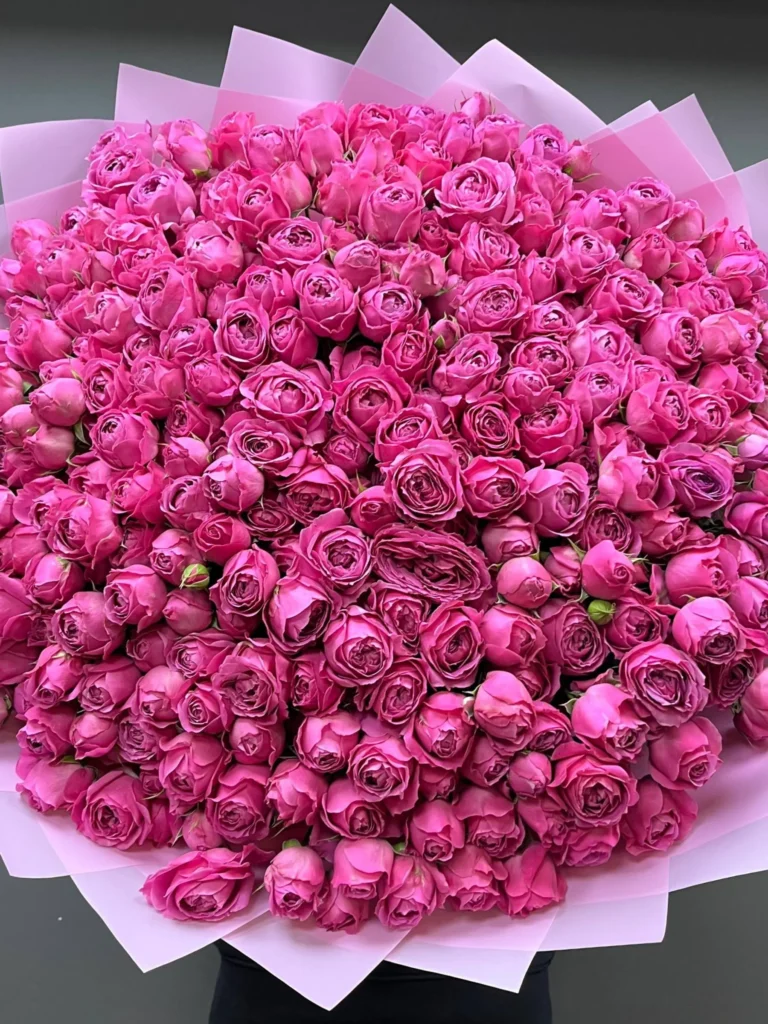
- Bacteria is the #1 reason flowers die early.
- Cut stems at 45° underwater to avoid air bubbles.
- Remove all foliage below the waterline immediately.
- Use a mix of sugar (food) and bleach (biocide).
- Keep flowers away from ripening fruit and heat.
Most flowers do not die of “old age.” They wilt prematurely due to bacteria, heat, contaminated water, or a poor initial cut. At Boston Flowers, we conditioning every stem to ensure maximum longevity before it leaves our studio. Here is how you can maintain that freshness at home.
The Quick Rules.
If you only have one minute, follow these essential steps to keep your arrangement alive for days longer:
- Clean Vase: Use hot soapy water and a drop of bleach.
- Fresh Water: Change it every 1–2 days without fail.
- Trim Stems: Cut 1 inch at a 45° angle.
- Strip Leaves: Remove everything below the waterline.
- Keep Cool: Avoid direct sun, radiators, and electronics.
- Avoid Fruit: Keep away from apples and bananas (ethylene gas).
What Actually Works.
In the professional floral industry, we rely on science, not folklore. These practices are proven to extend vase life across almost all species.
1. The 45-Degree Angle
A diagonal cut increases the surface area available for water absorption. More importantly, it prevents the stem from sitting flat on the bottom of the vase, which can create a vacuum seal that blocks water flow.
2. The “Underwater” Cut
When you cut a stem in the air, a tiny bubble (embolism) can enter the xylem. This bubble blocks water from traveling up to the head. By cutting the stems under running water or in a bowl, you ensure a continuous column of water reaches the bloom.
3. Pro-Level Nutrition
Commercial flower food is a balanced mix of sugar (energy), acidifiers (to lower pH), and biocides (to kill bacteria). If you don’t have a packet, a few drops of bleach paired with a teaspoon of sugar and lemon juice is an effective DIY alternative.
Busting Common Myths.
Many “home remedies” are actually counterproductive or completely ineffective.
- Aspirin: While it slightly lowers pH, it provides no food and doesn’t kill bacteria. It can actually stress delicate flowers like Sweet Peas.
- Pennies: Modern pennies contain very little copper. They do not act as a fungicide and have zero effect on longevity.
- Sugar Alone: Sugar is food for flowers, but it is also food for bacteria. Never add sugar without a biocide (bleach).
Care by Flower Type.
Different blooms have different requirements to stay fresh.
- Roses: Extremely sensitive to air bubbles. Always use the “underwater cut” technique.
- Tulips: They continue to grow in the vase. Use shallow water to prevent stem rot and rotate the vase to keep them from leaning toward light.
- Hydrangeas: These are heavy drinkers. Mist the petals daily, as they absorb moisture through their heads as well as their stems.
- Peonies: Buy them when they feel like a marshmallow. To speed up opening, use lukewarm water; to slow it down, keep them in a cool room.
Common Mistakes.
Avoid these “flower killers” to protect your investment:
- Leaving foliage in water: Submerged leaves rot and release toxic bacteria within hours.
- The fruit bowl trap: Ripening fruit releases ethylene gas, which signals flowers to drop their petals.
- Overcrowding: Stems need air circulation. Cramming too many flowers into a narrow vase causes heat buildup and rot.
Every Boston Flowers arrangement is crafted with professionally conditioned stems and delivered same-day across Greater Boston to ensure your flowers start their journey at peak freshness.