- Not all flowers are created equal; some last 3 days, others 3 weeks.
- Orchids and Chrysanthemums are the champions of longevity.
- Hydrangeas and Anemones have the shortest vase life.
- Ethylene gas and bacteria are the primary killers of cut stems.
- Premium studios use professional conditioning to extend life.
A common misconception in floristry is that all flowers share a similar lifespan. In reality, the difference between a 3-day anemone and a 21-day orchid is vast. Understanding these timelines allows you to choose the right arrangement for your specific needs, whether it is for a week-long event or a fleeting, high-impact gesture.
The Long-Distance Champions.
These varieties are the workhorses of the floral world. With minimal care, they can often look fresh for two weeks or more.
- Orchids (7–21 days): Specifically Cymbidium and Phalaenopsis varieties. They are structurally robust and highly resistant to common vase bacteria.
- Chrysanthemums (10–20 days): Known for their incredible durability, modern “mums” come in sophisticated shapes that defy their “grocery store” reputation.
- Carnations (10–20 days): A resurgence in premium, antique-colored carnations has brought this long-lasting classic back to luxury studios.
- Alstroemeria (10–14 days): These often arrive closed and bloom sequentially, offering a long window of enjoyment.
The Reliable Middle.
Most popular luxury flowers fall into this category. They offer a perfect balance of opulence and reasonable longevity.
- Lilies (7–14 days): Provided the stamens are removed to prevent pollen damage and rot.
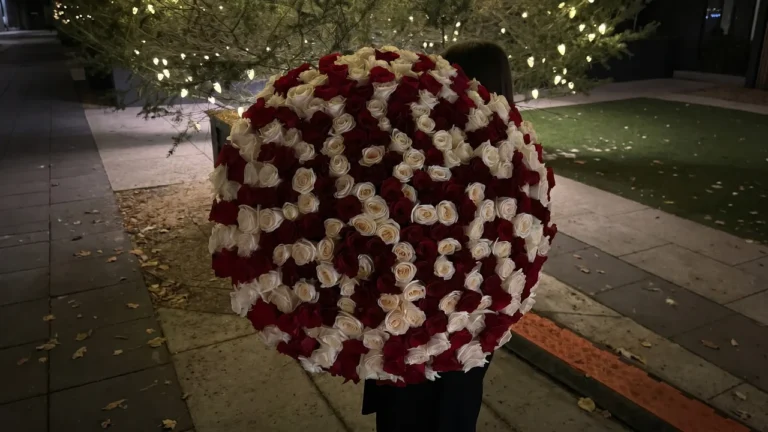
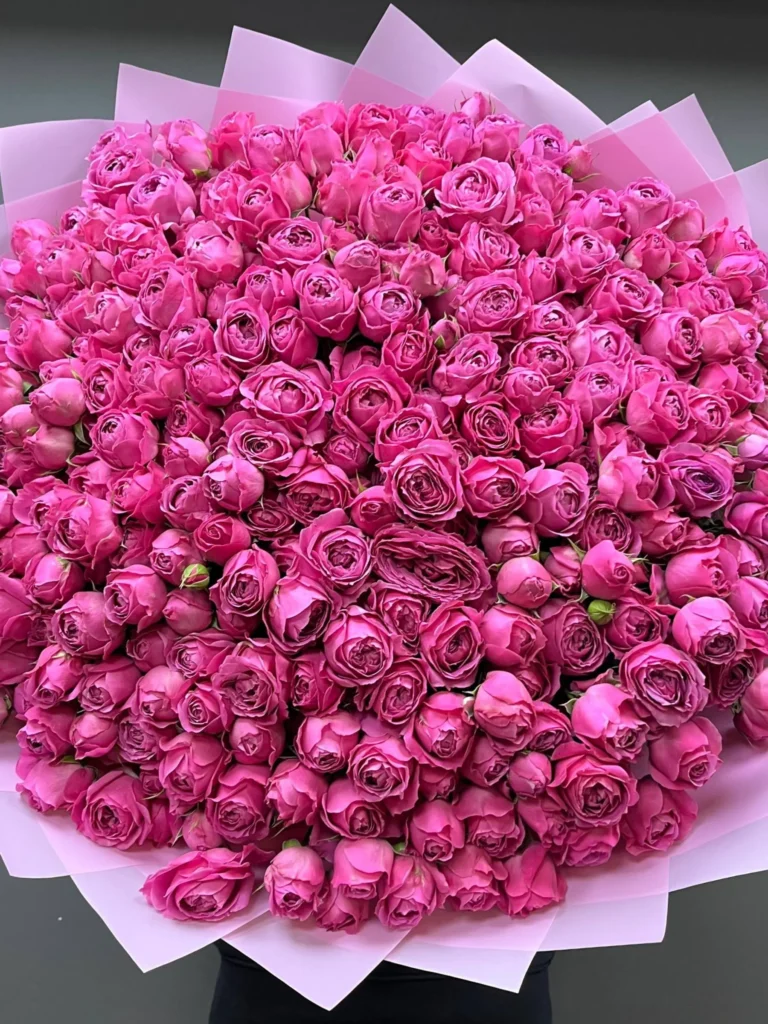
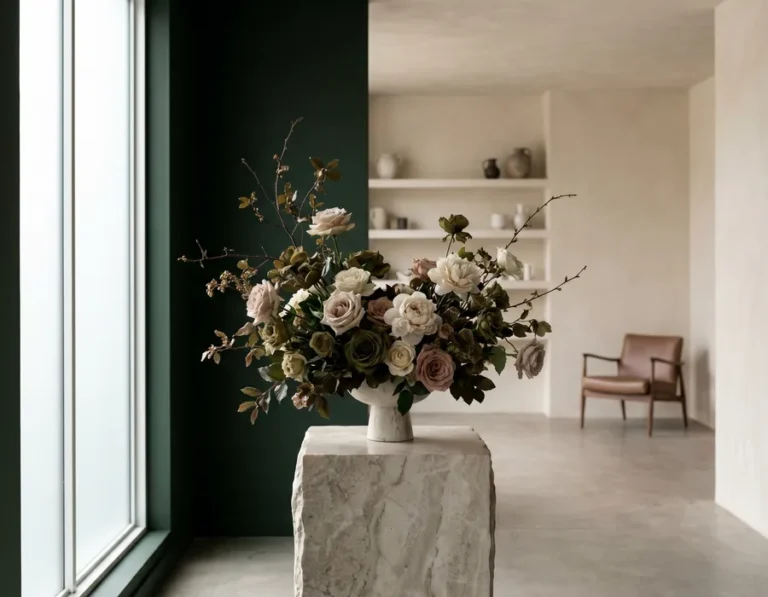
- Roses (5–10 days): Premium garden roses generally last on the shorter end, while standard long-stem varieties are more durable.
- Peonies (5–7 days): A short but spectacular window. Proper conditioning can push them to the one-week mark.
The Delicate Beauties.
Some of the most beautiful flowers are also the most fleeting. These are chosen for their unique texture and color, rather than their endurance.
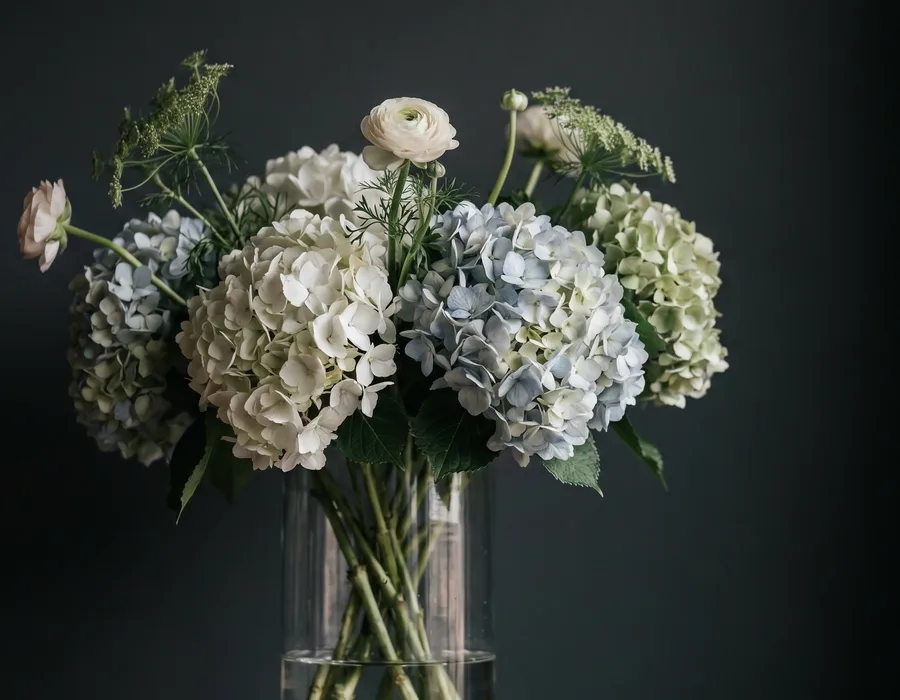
- Hydrangeas (3–5 days): Highly sensitive to water loss. They can wilt in hours if the vascular system is blocked.
- Anemones & Ranunculus (4–6 days): Their soft, hollow stems make them susceptible to bacterial collapse.
Factors That Affect Lifespan.
Why do some flowers die early? In a professional studio setting, we control for these three variables:
- Bacteria: The silent killer. A dirty vase acts as a breeding ground that physically clogs the stem.
- Ethylene Gas: Released by ripening fruit and dying leaves. It signals the flower to drop its petals immediately.
- Hydration Mechanics: An air bubble (embolism) in the stem can stop water flow as effectively as a physical plug.
The Studio Approach (2026).
Premium floral studios in 2026 no longer rely on simple tap water. We use conditioned stems—stems that have been pre-treated with professional biocides and hydration stimulants before they ever reach your vase. This process ensures that even “delicate” flowers reach their maximum potential lifespan.
At Boston Flowers, we source daily and condition every stem in-house, ensuring that your arrangement starts its life at peak vitality.